











Health happens every day
Chronic disease is the leading cause of illness, death, and disability in America. Many chronic diseases can be prevented or delayed.
End Chronic Disease works to bring prevention into everyday life through education and advocacy while expanding access for those at highest risk.















Our daily lives shape our health
While genetics play a role in our health, they don’t tell the whole story. What we eat, how much we move and sleep, our relationships and experiences, the places where we live, learn, work, and play, the environments we’re exposed to, and our access to quality care can all influence our health over time.
Prevention belongs in each of these places.
Understanding chronic disease
Chronic disease takes many forms, from heart disease and diabetes to autoimmune disease, cancer, neurodegenerative disease, chronic respiratory disease, and many others. It affects people of every age and background, and while genetics can play a role, many other factors can contribute to its development over time.
of U.S. adults live with
a chronic condition
of U.S. children live with
a chronic condition
of America’s health care spending is spent on chronic illness
Sources: Boersma P, et al. Preventing Chronic Disease, 2025 · Centers for Disease Control and Prevention, Managing Chronic Health Conditions, 2024 · CDC, Fast Facts: Health and Economic Costs of Chronic Conditions, 2026.
We aim to shape an America where fewer people develop preventable chronic disease, where individuals are empowered to improve their health and lead change in their communities, and where every American has the opportunity to live a long and healthy life.
What we do
Featured work
See all of our work
Bringing prevention into the classroom
Our affiliated 501(c)(4) organization sponsored bipartisan legislation in California to bring evidence-based preventive health education into the state’s K–12 Health Education Framework, including nutrition, physical activity, sleep, stress management, screen use, environmental exposures, and other factors that can influence long-term health. Good Day Alabama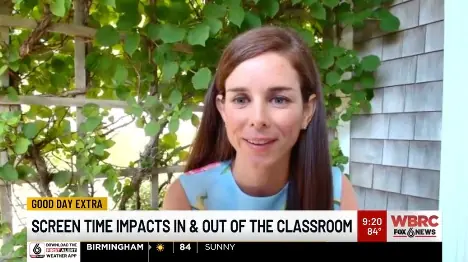
What happens when schools put phones away?
Our CEO joined Good Day Alabama to look at what schools are seeing one year after Alabama restricted cell phone use in K–12 public schools, including reports of stronger classroom engagement, improved school culture, less bullying and cheating, and more face-to-face interaction among students. The Wall Street Journal
“Never Doubt the Importance of a Jungle Gym”
In an opinion letter published by The Wall Street Journal, our CEO makes the case for protecting recess and unstructured play as an important part of children’s health and development.
Stay close to our work
Our newsletter explores chronic disease risks, trends, and prevention efforts across the U.S., what they mean for you and your community, and how you can be part of the solution.
By subscribing, you agree to receive emails from End Chronic Disease. We never share your email address. Unsubscribe anytime.


Changing systems, changing minds, changing lives.
Let’s shape a healthier future, together.