
What Amish communities can teach us about chronic disease prevention
Several major studies have found markedly lower rates of diabetes, hypertension, and cancer among Amish adults. Many of the daily habits behind those numbers may be the ones health authorities are now recommending for everyone.
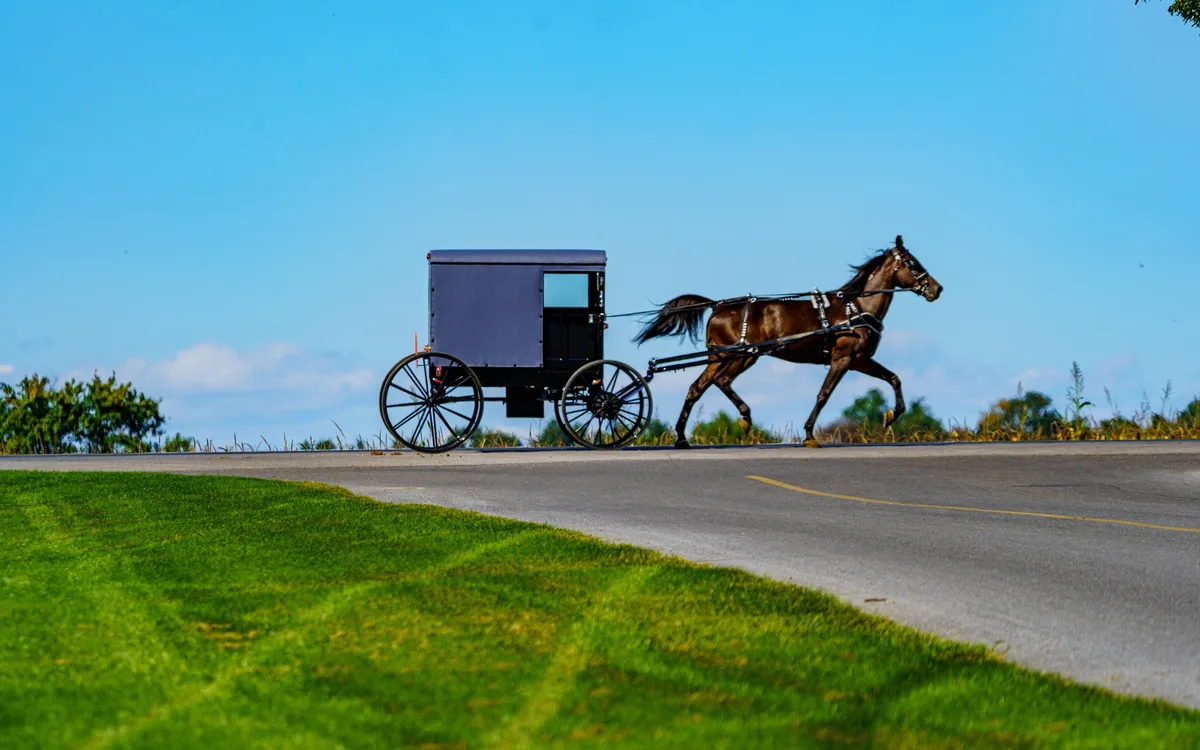
Kelly McKenna has a piece in the New York Post inspired by our team’s recent trip to Holmes County, Ohio, also known as “Amish Country,” for the annual Seed to Spoon Summit, where Kelly delivered a keynote address.
What the research shows
Research shows that Amish adults participating in several major studies have experienced significantly lower rates of certain chronic diseases than the populations used for comparison. For example, a University of Maryland-led study published in 2020 surveyed 5,377 Old Order Amish adults in Lancaster County, Pennsylvania, between 2010 and 2018. Researchers compared their findings with data from non-Hispanic white adults in the 2013–2014 National Health and Nutrition Examination Survey (NHANES), finding:
- A diabetes rate of 3.3% among Amish study participants, compared with 13.2% in the national comparison group.
- A hypertension rate of 12.7% among Amish study participants, compared with 37.8% in the national comparison group.
- A high cholesterol rate of 26.2% among Amish study participants, compared with 35.7% in the national comparison group.
In a separate study published in 2009, Ohio State University researchers examined cancer incidence among 9,992 Amish adults in the Holmes County area between 1996 and 2003. They found that the study population’s age-adjusted cancer incidence rate was just 56% of the national rate.
Habits that health authorities now recommend
While Amish individuals are not immune to all health challenges, many aspects of daily life that are common in their communities offer an interesting perspective, especially given recent advice from leading U.S. health authorities, including the U.S. Department of Health and Human Services, the American Medical Association, the U.S. Office of the Surgeon General, and the American Academy of Pediatrics, such as:
- Minimize ultra-processed food consumption;
- Increase movement;
- Reduce screen time;
- Spend more time with loved ones.
In the piece, Kelly makes the case that looking at the daily routines of Amish communities offers a powerful reminder that many of the habits that health authorities are now recommending are already woven into everyday life in these communities.
Kelly’s piece was recirculated in RealClearPennsylvania and became the focal point for a conversation on iHeartRadio’s “The Vicki McKenna Show,” too, which broadcasts in Milwaukee and Madison, Wisconsin, as well as nationally.
Follow our work on food and prevention on the News page, or sign up for our newsletter for the next one.
Hsueh WC, et al. Prevalence, control, and treatment of diabetes, hypertension, and high cholesterol in the Amish. BMJ Open Diabetes Research & Care, 2020. doi:10.1136/bmjdrc-2019-000912. Westman JA, et al. Low cancer incidence rates in Ohio Amish. Cancer Causes & Control, 2010. PMC4308689. This spotlight first appeared in the End Chronic Disease newsletter on October 2, 2026.