
Calories in, calories out? A new study suggests the body is keeping a different score
Researchers matched two meals on calories, carbohydrates, fat, protein, fiber, sodium, and glycemic index. One was ultra-processed and one was not. The body still responded differently.
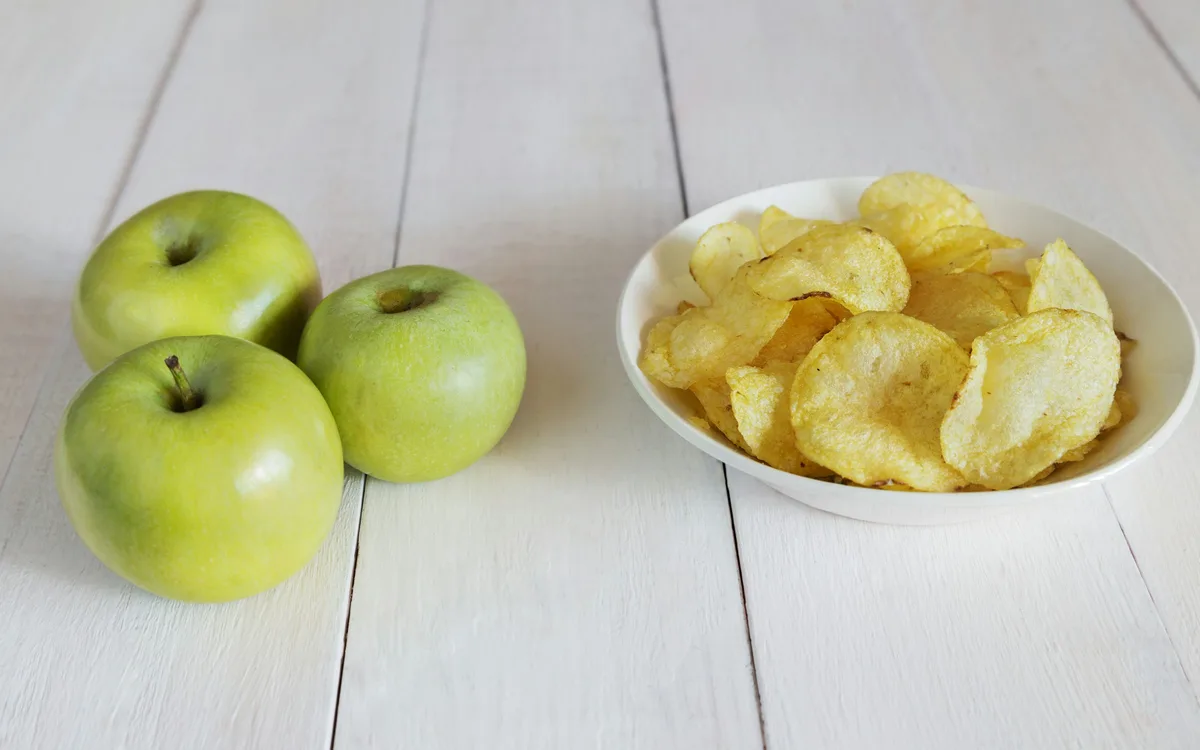
For decades, the working assumption behind most nutrition advice has been that a calorie is a calorie. Match two meals on energy and nutrients, and the body should treat them about the same. A study published October 5, 2026, in Nature Metabolism tested that assumption directly, and the results are a useful reminder that how food is made may matter alongside what is in it.
What the researchers did
A team at the Fralin Biomedical Research Institute at Virginia Tech enrolled 57 healthy-weight adults, average age 26. Their everyday diets were typical of the country: about 54 percent of their calories came from ultra-processed foods, almost exactly the national average of 55 percent.
Thirty-two of them completed the core experiment. On two separate mornings, after an overnight fast, each person ate a meal of about 300 calories inside a whole-room calorimeter, a sealed chamber that measures how much energy the body is using and what it is burning. One meal was made entirely of ultra-processed foods and the other entirely of foods that were not, as defined by the Nova classification system. The two meals were matched on weight, calories, energy density, carbohydrate, fat, protein, fiber, sodium, water content, and glycemic index and load, all within 1.6 percent of each other. Participants had to finish within ten minutes, then sat for three hours while researchers tracked blood glucose and insulin through a catheter and energy use through the chamber.
Fifty-two participants also had a brain scan while looking at pictures of familiar foods and rating how much they would pay for each one, so the team could ask whether the body’s response to a meal lines up with how the brain values food.
What they found
- Blood sugar looked the same overall, but moved differently. Total glucose over three hours did not differ between meals. After the unprocessed meal, glucose rose faster and settled. After the ultra-processed meal, it rose more slowly and lingered later into the afternoon.
- Insulin stayed higher for longer after the ultra-processed meal. Total insulin was significantly greater, with levels elevated between 40 minutes and two hours after eating. Insulin is the hormone that moves sugar out of the blood, and repeatedly higher insulin responses are one of the pathways researchers watch when studying metabolic disease.
- The body burned carbohydrate less readily. After the unprocessed meal, participants shifted toward burning the carbohydrate they had just eaten, which is the expected response. After the ultra-processed meal, that shift was blunted, even though the carbohydrate content was the same.
- Energy use stayed slightly higher after the ultra-processed meal. Both meals raised the metabolic rate to a similar peak at about 40 minutes, but it came back down more slowly after the ultra-processed one.
- People rated the meals the same, but their brains did not. Liking, wanting, hunger, and fullness ratings were no different between meals. In the scanner, however, brain regions involved in reward responded to pictures of unprocessed and ultra-processed foods in opposite directions, and the people whose bodies showed the biggest difference in carbohydrate burning also showed the strongest differences in those reward regions.
The authors’ conclusion is measured: food processing appears to shape the body’s response to a meal through mechanisms beyond calories and macronutrients alone.
What they did not find
This was a small, short-term study, and it is worth being precise about what it can and cannot say.
- It measured the response to one meal over three hours. It did not follow anyone for weeks or years, so it cannot tell us what eating this way does to weight, diabetes risk, or long-term health.
- The participants were young, healthy-weight adults. People with obesity, diabetes, or other conditions may respond differently, in either direction.
- It does not identify which feature of ultra-processing is responsible. The meals differed in many ways at once, from ingredients and additives to how the starches were physically changed by manufacturing.
- The brain findings are correlations. They show that metabolic and neural responses move together, not that one causes the other.
None of that undermines the central result. It just means the study answers a narrow question well, and leaves the larger questions open.
Why it matters
Ultra-processed foods make up more than half of what Americans eat. Dozens of large population studies have linked higher intake to higher rates of obesity, type 2 diabetes, heart disease, and some cancers. The standard objection is that those foods are simply higher in calories, sugar, salt, and fat, and that processing itself is beside the point. This study takes that objection seriously, removes the nutritional differences, and still finds a different response in the body.
That matters for how prevention is done. Nutrition labels, dietary guidelines, and most school food rules are built around calories and nutrients. If the degree of processing independently changes how a meal is handled, then labels and standards that look only at the nutrient panel are missing part of the picture. It also matters for why these foods are easy to overeat. The brain findings point toward a learned link between how a food is processed and how the reward system responds to it, which is one of the ways eating habits form.
What End Chronic Disease is doing
Prevention starts with giving people clear information and better defaults. End Chronic Disease sponsored California’s SB 1133, the Ready to Learn, Ready for Health Act, which brings nutrition and other preventive health instruction into schools, and supported AB 1264, which removes the most concerning ultra-processed foods from California school meals beginning in 2026. We have also backed AB 2244, which would create a voluntary state certification seal identifying foods that are not ultra-processed, so that shoppers can tell at a glance without decoding an ingredient list. Studies like this one are the scientific case for that work.
Follow our work on food and prevention on the News page, or sign up for our newsletter for the next one.
Hutelin Z, Ahrens M, Baugh ME, Nartey E, Herald DL III, Hanlon AL, DiFeliceantonio AG. Metabolic and neural responses to ultraprocessed foods: a randomized, controlled, crossover study. Nature Metabolism, published October 5, 2026. doi.org/10.1038/s42255-026-01619-4. Open access under a Creative Commons BY-NC-ND 4.0 license. This explainer summarizes the study in End Chronic Disease’s own words; it is not a substitute for the paper, and we encourage readers to read the original.